Skip to content
Universal Pest Control logo

Pest Management for Different Properties & Industries

Different properties face different pest pressures. A terrace house kitchen may attract cockroaches and ants, while a warehouse storing dry goods can become a haven for rodents. Humidity, building design, waste handling and daily operations all shape the pest risks a site carries.

Our approach begins with understanding how a property is used. We look at the structure, the surrounding environment and the activities that happen inside. From there we can recommend a management plan that fits the property type and the people who use it.

Residential Pest Control for Malaysian Homes

Pest problems in homes are personal - they affect comfort, sleep and the safety of your family.

Landed Homes

Terrace houses, semi-detached homes and bungalows often have direct soil contact, gardens and roof voids that give pests multiple entry points. Subterranean termites can move from garden soil into door frames and skirting boards without visible signs until damage is well advanced.

Regular inspections of perimeter walls, roof spaces and damp areas like wet kitchens and bathrooms help catch activity early. Treatment options depend on construction type and the extent of any infestation.

Shared walls, common refuse chutes and neighbour activity mean pests can spread between units regardless of how clean one household keeps things. Cockroaches and rats travelling through service risers and ducting are common in high-rise living.

Treatment in individual units works best when coordinated with building management to address common areas and refuse handling at the same time. A unit inspection determines where pests are entering and harbouring.

Rental Properties

Tenant turnover can introduce bed bugs, cockroaches and fleas, especially when furniture and belongings move in and out frequently. Empty periods between tenancies give pests time to spread undisturbed.

Between-tenancy inspections and treatment help protect the property and avoid disputes. The specific pests to address depend on the property type and any history reported by outgoing tenants.

Property Managers

Managing multiple units across different buildings means pest complaints can come from anywhere at any time. Common areas like bin centres, car park levels and landscaping can become sources that feed infestations into residential units.

A scheduled programme covering common areas, bin stores and perimeter treatments reduces reactive callouts. Coordination with residents and management office staff keeps the programme running smoothly.

Industry Pest Management for Businesses

Businesses face added pressure: a pest sighting can damage reputation, disrupt operations and draw regulatory attention.

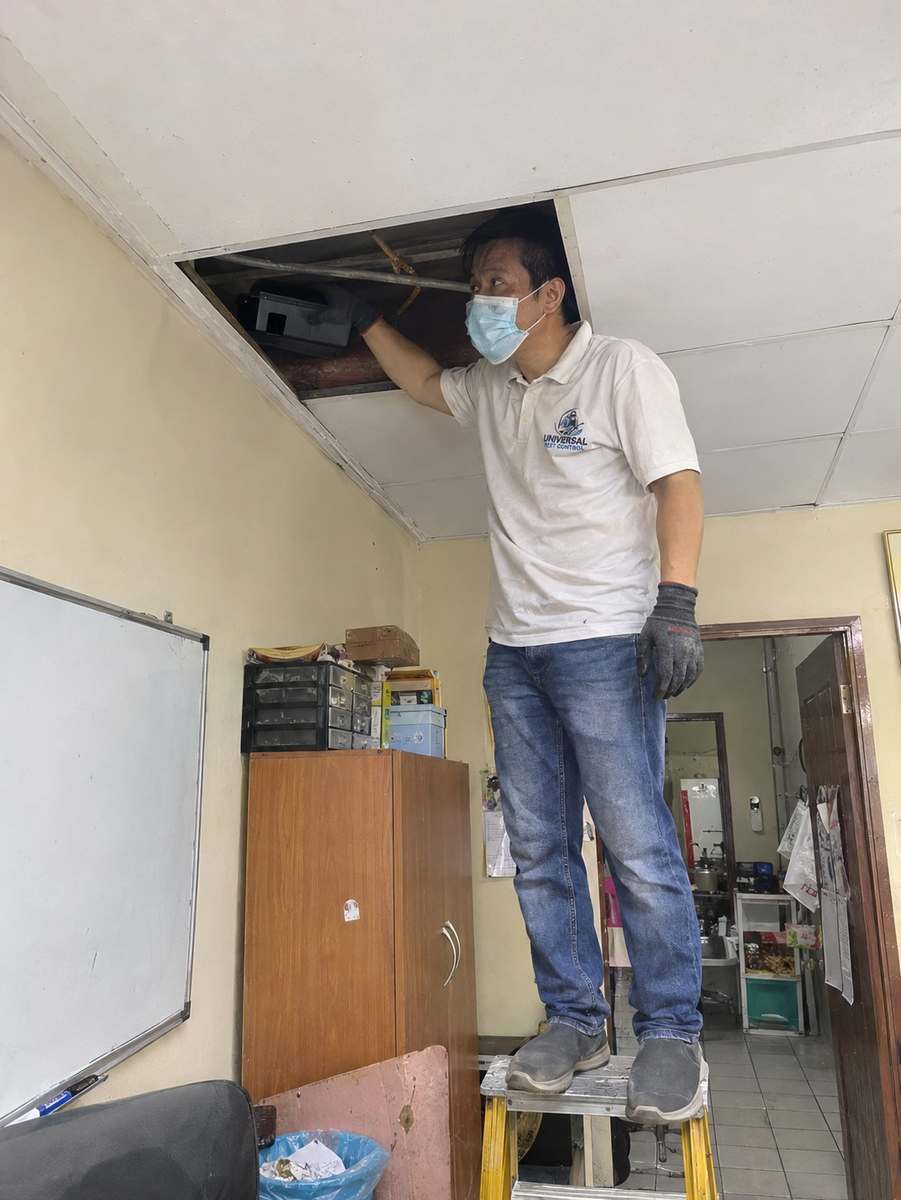
Pantries, desk drawers with snacks and under-sink cabinets provide food and moisture for ants and cockroaches. False ceilings and partition voids can hide rodent activity that goes unnoticed until droppings or odours appear.

Discreet monitoring and treatment during quiet hours minimises disruption to staff. The programme is shaped by office layout, pantry facilities and any history of sightings reported by employees.

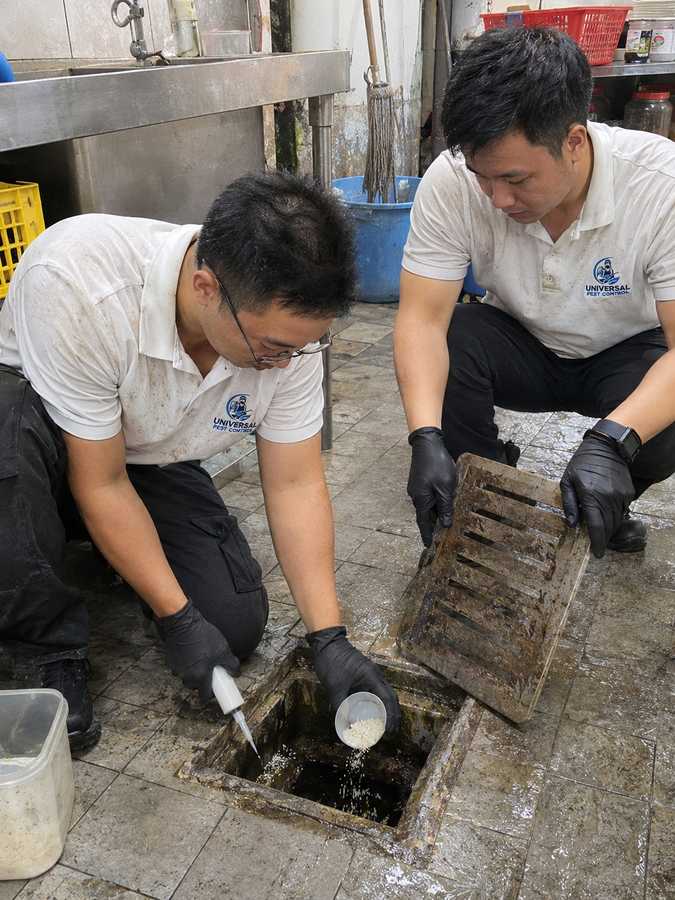
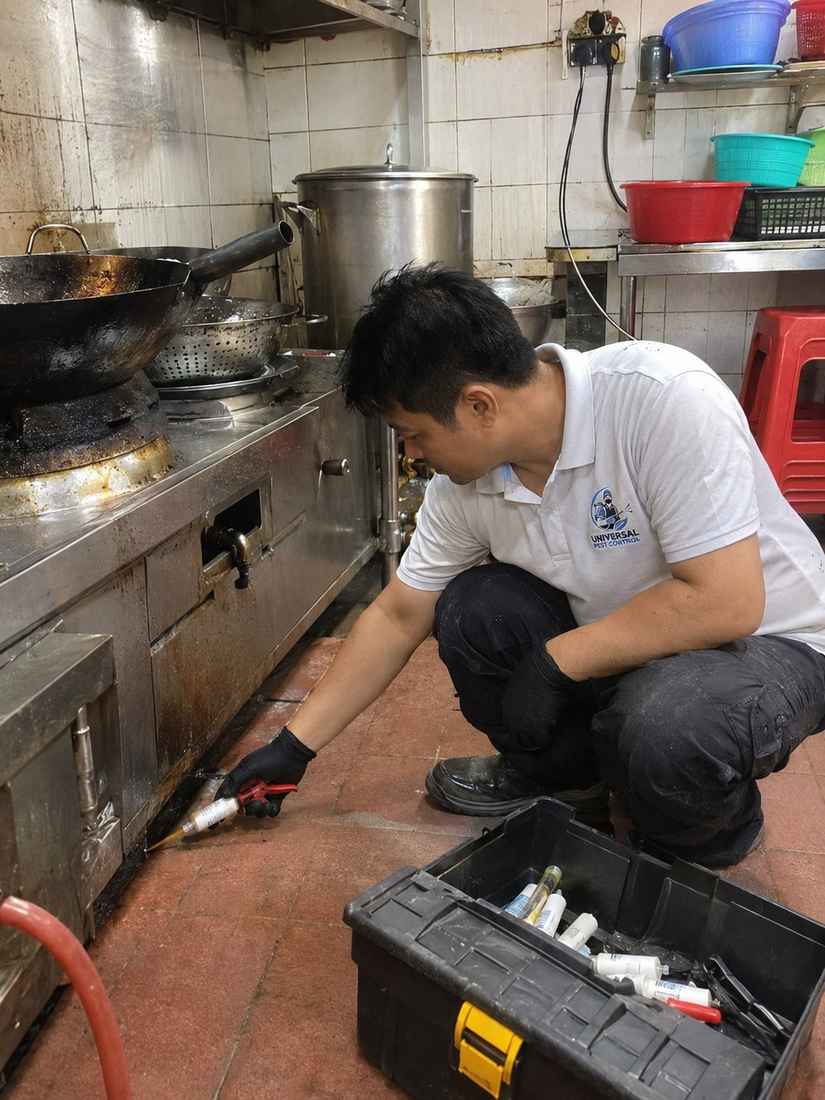
Food preparation, grease build-up and high-volume waste attract cockroaches, flies and rodents. A single pest sighting by a diner can lead to complaints and lost business. Drain flies and fruit flies often breed in floor drains and around bar areas.

Kitchens and dining areas need regular attention focused on harbourage spots behind equipment, under sinks and in waste areas. Treatment timing must work around operating hours and food safety requirements.

Cafes

Open frontages, outdoor seating and constant foot traffic make cafes vulnerable to flies, ants and occasional rodent visitors. Spilled syrups, crumbs and milk residues attract pests quickly in a busy service environment.

Regular attention to bin areas, counter spaces and any outdoor seating zones helps keep pest pressure low. Inspection frequency can be adjusted around peak seasons and menu changes that alter waste profiles.

Food Processing & Central Kitchens

Stored ingredients, organic waste and warm processing equipment create ideal conditions for stored-product pests, cockroaches and rodents. Contamination risk is high, and pest activity can lead to rejected shipments or audit failures.

A structured programme with regular monitoring, documentation and prompt response to any signs of activity supports operational continuity. The plan is built around the layout, storage practices and production schedule of the facility.

Large roller doors left open for loading, stored goods and quiet corners make warehouses attractive to rats and mice. Rodents can damage packaging, contaminate stock and chew through electrical wiring.

Perimeter baiting, internal monitoring and regular inspections of goods receipt areas help detect activity before stock is affected. The programme is designed around racking layouts, storage types and movement patterns.

Production machinery, raw material storage and staff canteens each carry distinct pest risks. Birds nesting in roof structures, rodents in waste areas and cockroaches in warm plant rooms are common challenges in manufacturing environments.

A site-wide assessment identifies risk zones across production floors, storage areas and staff facilities. The management plan addresses each zone according to its specific vulnerabilities and operational constraints.

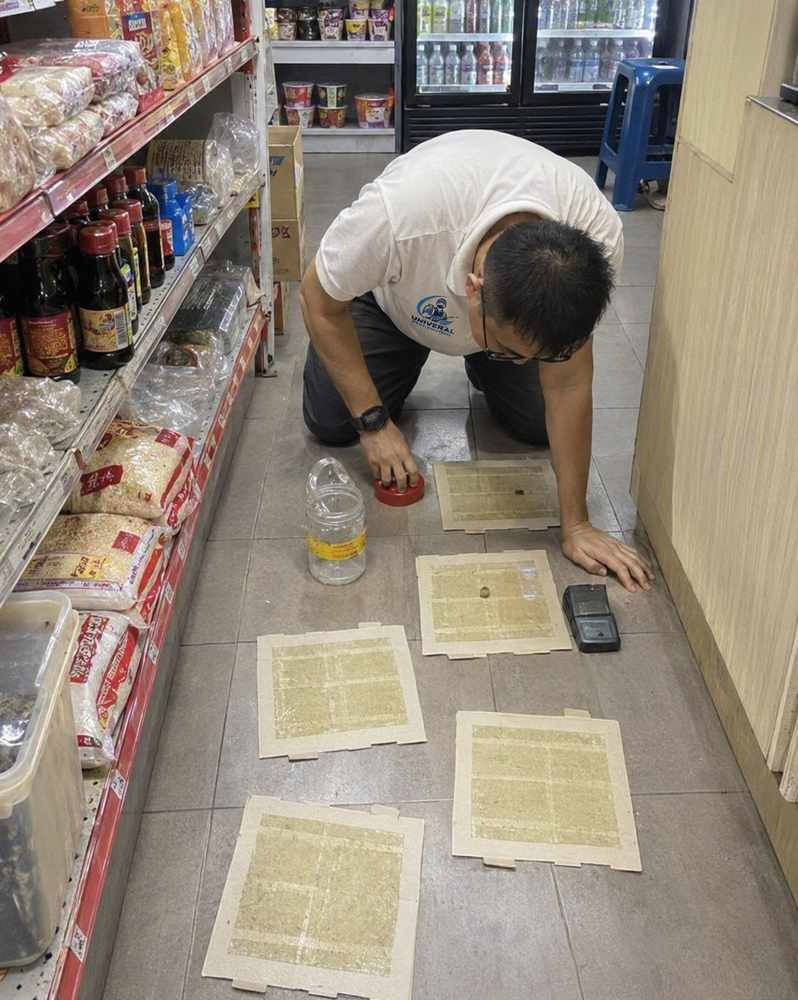
Stock rooms, fitting rooms and point-of-sale counters can harbour cockroaches, ants and silverfish. Rodents may follow food smells from neighbouring units in shopping centres or shophouse rows.

Discreet treatments that do not interrupt trading hours are essential. The focus is on stock protection, display areas and any rear storage or staff spaces where pests are most likely to hide.

Guest rooms, luggage movement and frequent linen changes create ongoing exposure to bed bugs. Kitchens, laundries and waste management areas add cockroach, rodent and fly risks that can affect guest reviews and ratings.

A property-wide programme covering guest floors, back-of-house areas and external grounds helps protect reputation. Quick response to any guest reports is supported by regular preventive inspections.

Managed Buildings & Malls

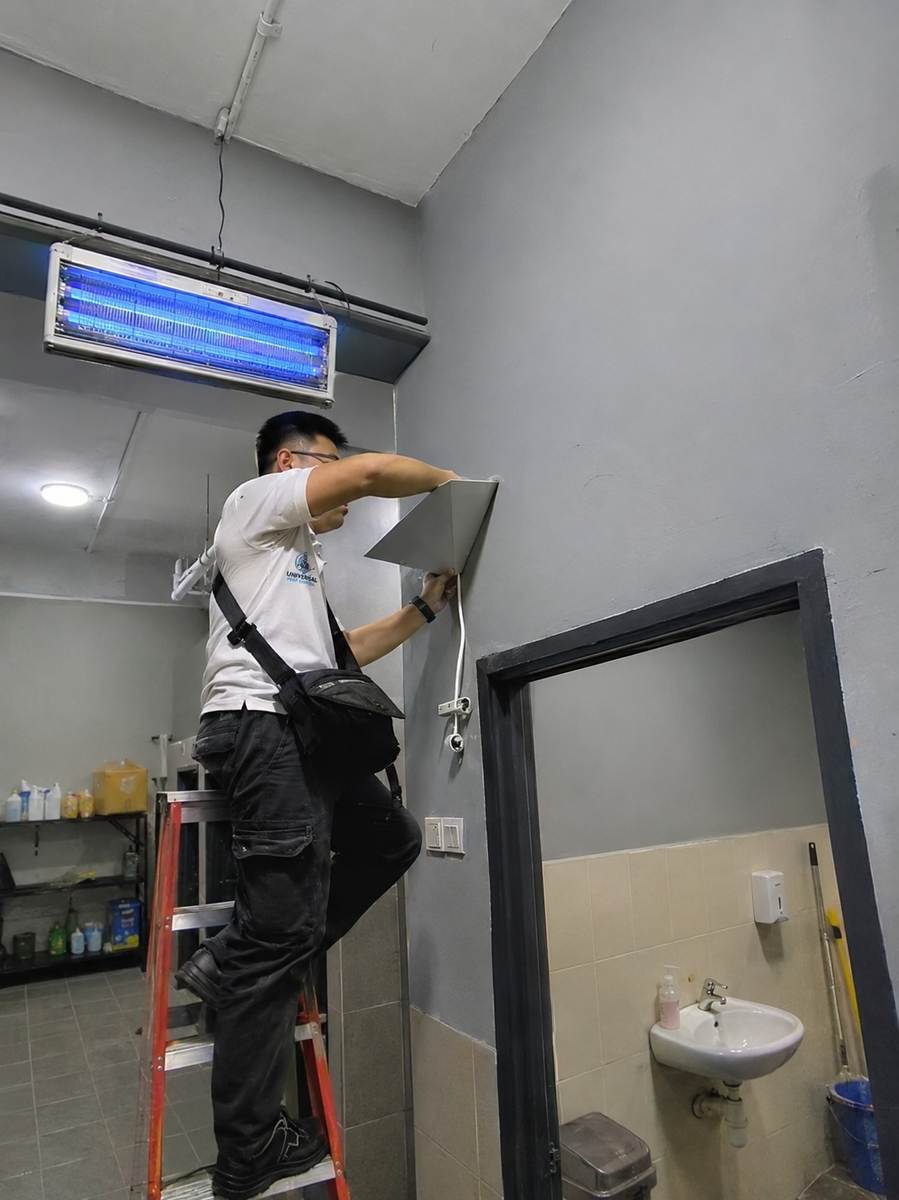
Multiple tenants, central refuse systems and shared service areas mean pest problems in one unit can spread across the building. Food courts and supermarket tenancies increase cockroach and rodent pressure throughout the property.

A coordinated programme across common areas, service corridors, bin centres and tenant spaces keeps the whole building protected. Regular communication with tenants and management helps identify emerging issues early.

Canteens, classrooms with food waste and outdoor play areas attract ants, flies and cockroaches. Rodents can find shelter in store rooms, ceiling voids and overgrown garden areas during school holidays when the site is quiet.

Treatments are scheduled around term breaks and weekends to avoid student exposure. The programme focuses on canteen hygiene zones, waste holding areas and grounds maintenance support.

Other Commercial Facilities

Gyms, childcare centres, places of worship and community halls each have unique usage patterns and pest vulnerabilities. High human traffic, shared equipment and varied cleaning routines can all contribute to pest pressure.

An assessment of the specific facility determines which pests are most likely and where monitoring should be focused. The programme is designed around the operating hours and sensitivity of the environment.

Getting the Right Plan for Your Property

Every property has a different pest profile. Send us a WhatsApp message describing your property type and what you have noticed, and we can discuss what an inspection might cover.

WhatsApp for a Free Quote