
Mosquito Control Malaysia - Fogging, Larviciding & Dengue Prevention
Mosquitoes around a property are more than a nuisance. We help homeowners and businesses bring adult mosquito numbers down and make it harder for them to keep breeding nearby.
Why Mosquitoes Keep Coming Back
Mosquitoes need very little standing water to complete their life cycle. In Malaysian conditions, eggs can develop into biting adults in about a week when the weather is warm and humid. A single overlooked water source can restart the problem even after visible adult mosquitoes have been knocked down.
Residential properties often have hidden breeding spots: flower pot trays, clogged roof gutters, water that collects in folded canvas awnings, or drains where silt traps a thin layer of moisture. In commercial settings, the risks multiply. Construction sites hold water in uneven ground, machinery tracks and stored materials. Food courts and shophouse back lanes can have drains that flow poorly, creating stagnant pockets.
Aedes mosquitoes, which can transmit dengue, are well adapted to urban and suburban environments in Malaysia. They breed in clean, still water and often rest indoors or in shaded outdoor areas. When people notice daytime biting, or when a neighbour or local authority flags a dengue concern, property owners and facility managers usually want a structured way to find the breeding sources and reduce the adult population quickly.
Signs of Mosquito Breeding Sites
A few observations around the property can suggest mosquito activity, though an inspection is needed to confirm where they are breeding and resting.
Daytime biting indoors
Aedes mosquitoes tend to bite during the day, especially in shaded rooms, behind furniture and in bathrooms. Regular daytime bites inside a home or office often mean breeding sites are close by.
Mosquitoes resting on walls and curtains
Adult mosquitoes often rest on vertical surfaces in cool, dark corners. Seeing them on walls, behind doors or under sinks during the day can indicate a nearby population.
Larvae wriggling in still water
Small, wriggling larvae in flower pot trays, pails, floor traps or any container holding water for more than a few days are a clear sign that mosquitoes are breeding on the property.
Clogged or slow-draining gutters
Roof gutters packed with leaves and debris hold water long after rain stops. This hidden moisture is a common breeding site for mosquitoes in terrace houses and older commercial buildings.
Neighbourhood dengue notices
When local health authorities report dengue cases nearby, it is a prompt to check the property thoroughly. Even a well-kept property can have overlooked water sources that contribute to the local mosquito population.
- These signs can point to mosquito activity, but they do not always reveal the full picture. An on-site assessment helps locate the breeding sources and resting spots that are easy to miss in a casual walk-through.
What a Mosquito Control Visit Covers
Every property is different, so the exact steps depend on what the inspection finds. A typical visit may include several or all of the following:
- 1
Property inspection
We walk through indoor and outdoor areas to look for standing water, larvae and adult mosquito resting spots. The inspection covers common trouble spots such as drains, gutters, water tanks, plant trays, construction materials and any container that can hold water.
- 2
Breeding-source removal advice
Where possible, we will point out water sources that can be emptied, turned over, covered or cleared. Reducing breeding sites is the most practical long-term step for any property.
- 3
Larviciding where suitable
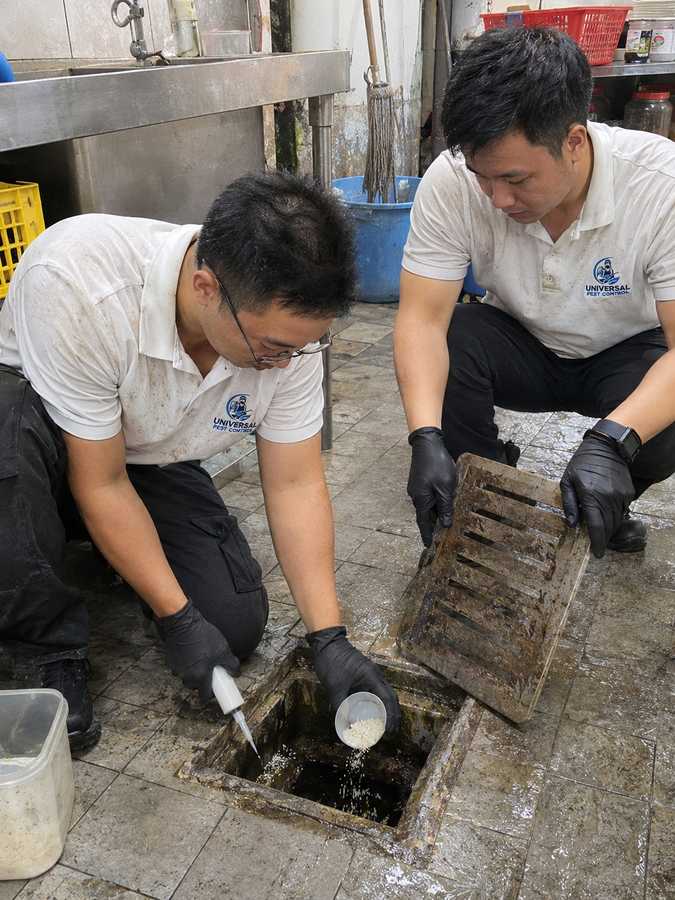
For water that cannot be drained or removed, applying a larvicide may be an option. The suitability depends on the water body, its location and what else uses that water.
- 4
Adult mosquito treatment
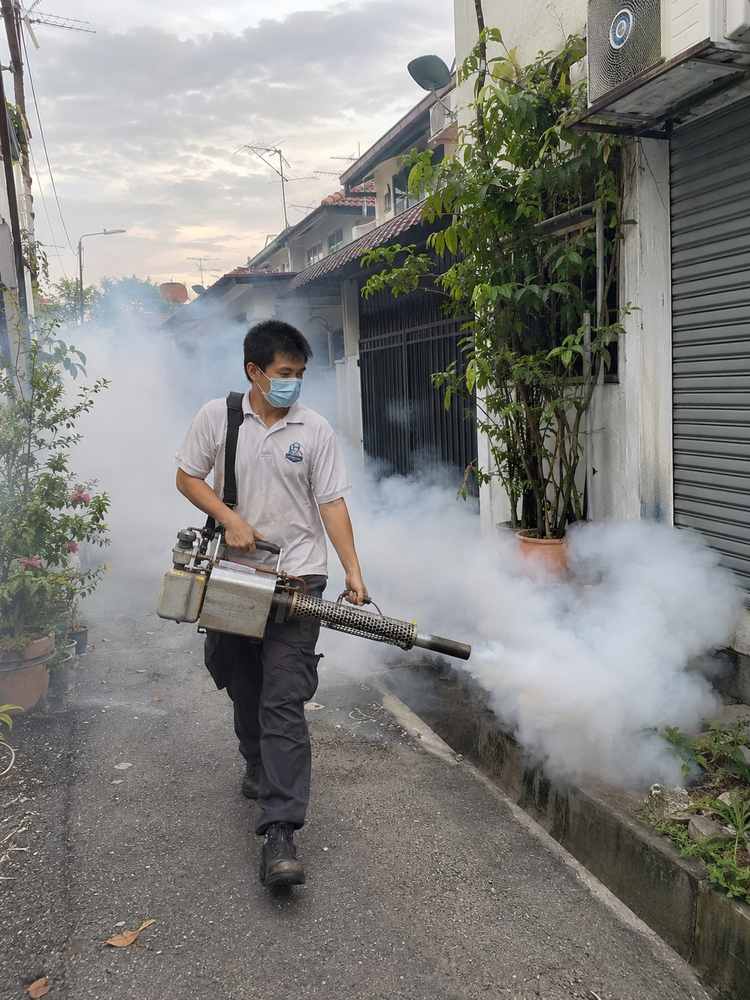
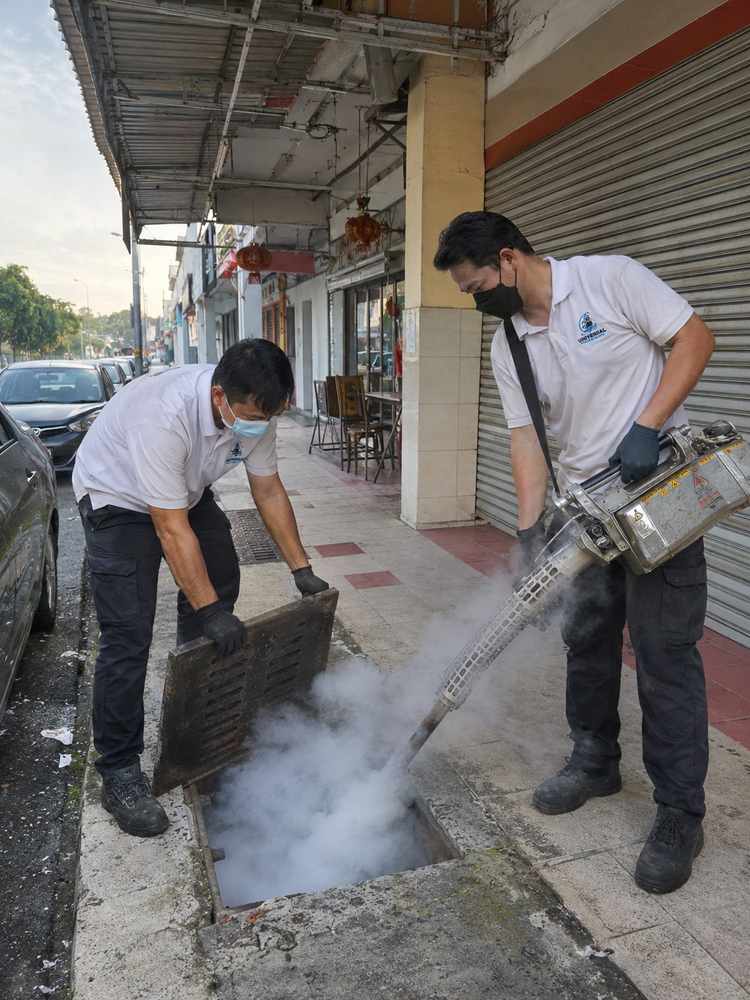
Depending on the site, treatment of adult mosquitoes may involve misting or fogging in areas where they rest, such as among shrubs, under eaves, in drains and around building perimeters.
- 5
Site-specific recommendations
After the visit, we outline practical steps the property owner or maintenance team can take between visits to reduce standing water and make the site less attractive to mosquitoes.
Mosquito Fogging and Where It Fits
Fogging is a method that disperses a fine mist of insecticide into the air to knock down adult mosquitoes. It works on contact, so it is most effective when applied at times when mosquitoes are active, typically early morning or late afternoon. The mist reaches into foliage, drains and shaded corners where adult mosquitoes rest.
Because fogging targets flying adults, its effect is short-term. It does not stop new adults from emerging if larvae are still developing in water nearby. For this reason, fogging works best as part of a wider plan that includes finding and removing breeding sources. Used on its own, the relief tends to be temporary.
Whether fogging is suitable for a particular property depends on the layout, the surrounding environment and the severity of the adult mosquito population. During the assessment, we can discuss whether fogging is an appropriate option and how it fits with other steps such as larviciding and physical source removal.
Properties We Treat for Mosquitoes
Landed homes and condominiums
Terrace houses, semi-detached homes and bungalows often have gardens, drains and roof gutters that need regular attention. In condominiums, mosquitoes can breed in common-area drains, planter boxes, balcony trays and poorly sealed floor traps inside the unit.
Food courts, restaurants and shophouses
Back-lane drains, grease traps, discarded containers and wet-kitchen areas can hold water and organic matter. Mosquito activity in these settings affects staff, customers and neighbouring properties.
Factories and warehouses
Large roofs, perimeter drains, loading bays and stored goods can create sheltered pockets of water. Mosquitoes resting in high ceilings or dark corners can be a daily irritation for workers and a concern during audits.
Construction sites and project offices
Uneven ground, machinery tracks, material stacks and temporary structures collect rainwater easily. Regular site-wide checks and treatment help keep adult mosquito numbers down during the construction period.
Our Mosquito Control Process in Malaysia
- 1
Enquiry
Send us a WhatsApp message describing what you are seeing and, if possible, share a few photos of the areas that concern you. We will ask a few questions to understand the property type and the scale of the problem.
- 2
Assessment
We visit the site to inspect indoor and outdoor areas. The assessment focuses on finding standing water, larvae, adult resting spots and conditions that encourage mosquito breeding.
- 3
Quotation
After the assessment, we provide a quotation based on the size of the property, the number and type of breeding sites found, the treatment methods that are suitable and the expected number of visits.
- 4
Treatment
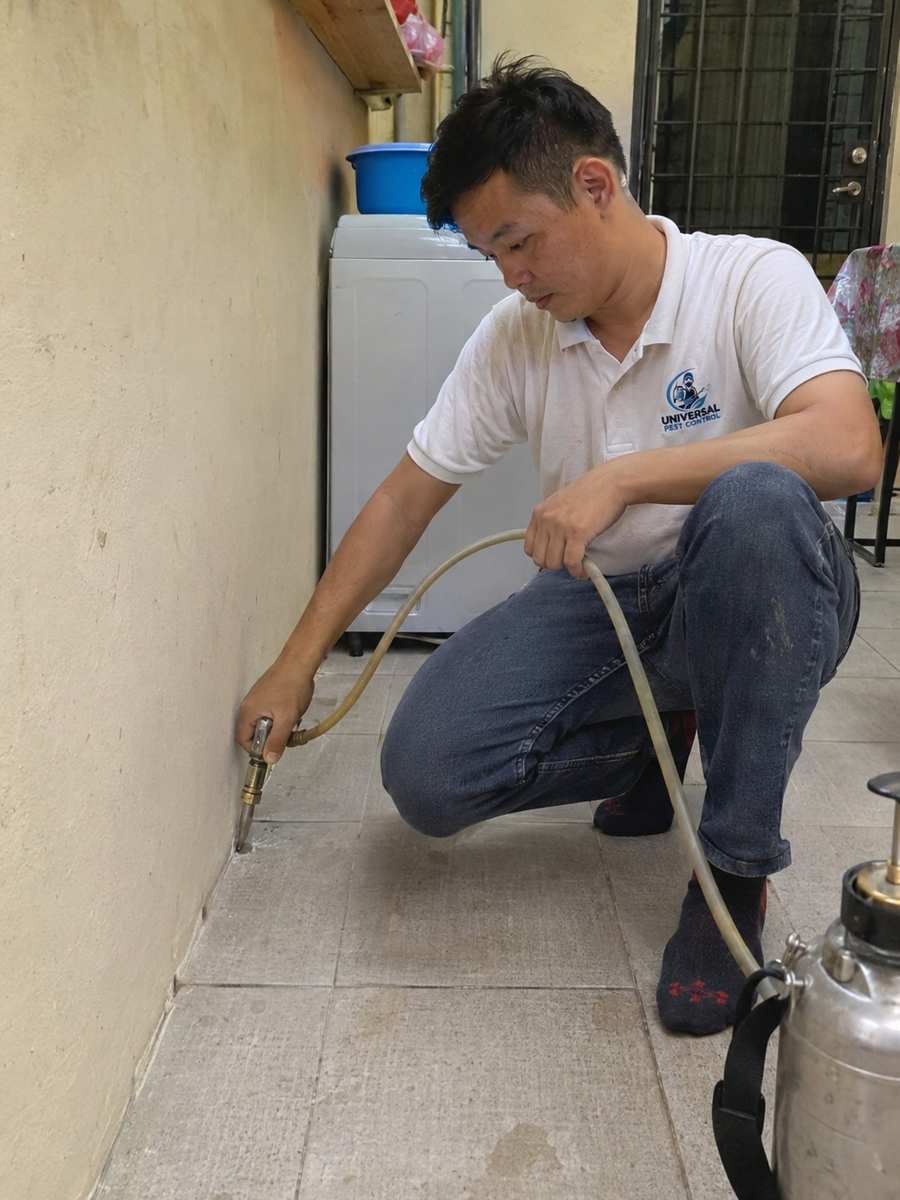
If you choose to go ahead, we carry out the agreed work. This may include larviciding, adult mosquito treatment and pointing out physical changes that can reduce breeding sites.
- 5
Follow-up
For ongoing programmes, we return at agreed intervals to check whether breeding sites have reappeared and whether adult mosquito numbers have changed. Each visit includes observations and recommendations.
The steps depend on the pest and the property. More on our process
What Affects a Mosquito Control Quotation
The quotation is put together after the assessment so it reflects the actual conditions on site. Factors that shape the quotation include:
- Total area of the property and number of buildings
- Number and type of breeding sites found
- Whether larviciding is needed and how many water sources require it
- Extent of adult mosquito treatment required
- Access conditions and obstruction levels
- Whether the job is a one-off treatment or an ongoing programme
- Frequency of follow-up visits for recurring service agreements
- Any site-specific preparation or coordination needed
Safety and Preparation for Treatment
Before any treatment, we will explain what needs to happen on the day and what preparation steps we recommend. The instructions depend on the type of treatment and the areas being covered, so they are given after the assessment, not as a generic list.
For treatments that involve misting or fogging, we typically ask that food is covered or stored away, food preparation surfaces are cleared, and fish tanks or pet water bowls are protected. Occupants and pets usually need to stay away from the treated areas for a period, and we will confirm the specifics before the work begins.
Our team carries out every treatment with careful attention to the way the product is applied. We follow the label directions for any product we use and take steps to avoid drift into unintended areas. If you have particular concerns about a family member, a pet or a sensitive area on the property, let us know before the visit so we can factor that into the plan.
Mosquito Control FAQs
Further reading
By industry
How soon can mosquito treatment be arranged?
Do I need to leave the property during fogging?
Will the treatment stop mosquitoes from breeding in my neighbour's property?
How often should mosquito control be done?
Can mosquito control be combined with general pest control?
What should I do between visits to keep mosquito numbers down?
Mosquito Control Area Coverage
Kuala Lumpur
Related Pest Control Services
Get a Mosquito Control Quote on WhatsApp
WhatsApp us to get a free quote.