Condominium Pest Control Malaysia - Common Area & Unit Pest Management
Managing pests across a condominium takes more than treating one unit. We work with management bodies and residents to reduce infestations that move between shared spaces and private homes.
Why Pests Thrive in Malaysian Condominiums
Condominiums concentrate many households and shared facilities in one structure. Rubbish chutes, bin chambers, damp risers and compact landscaping create warm, humid pockets where cockroaches, ants, rodents and mosquitoes can breed. A single infested unit can spread pests through ducts, pipe penetrations and lift shafts before anyone notices.
Common areas like corridors, function rooms, gyms and pool decks see heavy foot traffic. Food crumbs, spilled drinks and poorly rinsed recycling bins supply enough sustenance for ants and cockroach populations to grow. Refuse chambers that are not cleaned frequently become a magnet for flies and rats, especially when bagged waste sits overnight in Malaysia's heat.
Mosquitoes are a serious concern in condominiums with water features, planter boxes or flat roofs that hold rainwater. Blocked scupper drains, overflow from air-conditioning trays and poorly maintained landscape irrigation give Aedes mosquitoes places to lay eggs close to where residents live. Management bodies contact us when repeated fogging alone does not bring the adult mosquito count down.
Signs of a Wider Pest Management Issue
These signs can point to a building-wide issue rather than an isolated incident.
Residents on multiple floors report the same pest
When three or more units on different levels complain about cockroaches or rats within a short period, the source is often a shared riser, duct or bin chamber.
Grease marks and smears along skirting in common corridors
Rodents leave dark rub marks from oil in their fur. Finding these on several floors suggests established runs inside wall voids or above false ceilings.
Droppings inside electrical riser cupboards
Riser rooms are warm, undisturbed and linked vertically. Rat or lizard droppings here can mean pests are travelling the full height of the block.
Adult mosquitoes resting in stairwells or lobby plants
Aedes mosquitoes rest in shaded foliage during the day. If security guards or cleaners notice them indoors, breeding sites are likely nearby on the property.
Cockroach egg cases in refuse chamber corners
Oothecae tucked behind bin chute hoppers or under cleaning sinks mean a breeding population is well established and needs targeted treatment, not just surface spraying.
Persistent drain fly swarms in basement car parks
Large numbers of drain flies indicate a build-up of organic sludge in floor traps or sump pits. The problem usually returns until the breeding medium is removed.
- A few sightings may be seasonal, but repeated patterns across floors usually mean the infestation is embedded in the building structure. An inspection helps separate unit-level issues from building-wide sources and shapes the right treatment plan.
What Our Condominium Pest Control Work Covers
Every programme is shaped around the building layout and the pests present. Depending on what the inspection finds, our work may include:
- 1
Common area treatment
We apply control measures in lobbies, corridors, stairwells, function rooms, gyms, management offices and other shared spaces. Treatment points are chosen to intercept pests moving between units and common zones.
- 2
Refuse chamber and bin chute management
These areas are cleaned of organic debris and treated to reduce cockroaches, flies and rodents. We also check chute hopper seals and bin chamber doors for gaps that let pests out.
- 3
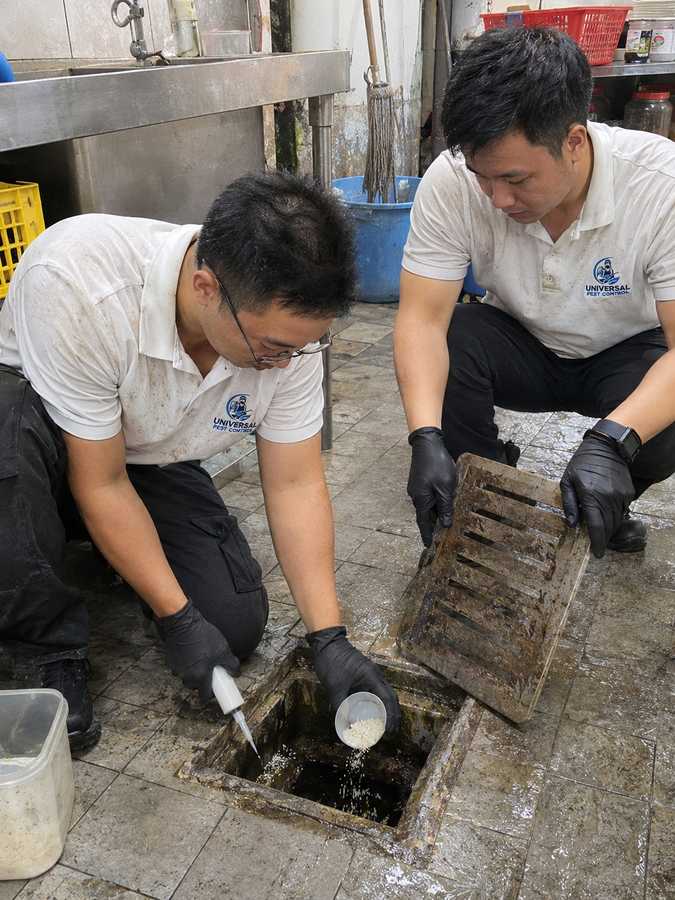
Drain and gully treatment
Floor traps, scupper drains and perimeter gullies are cleared of sludge and treated to stop mosquitoes, drain flies and cockroaches from breeding. This is especially important during the monsoon months.
- 4
Mosquito source reduction
We inspect water features, planter beds, roof gutters and air-conditioning drip trays for standing water. Where larviciding is suitable and safe, we apply it to stop larvae developing into biting adults.
- 5
Individual unit support
When management arranges access, we can treat inside units that report persistent issues. This helps break the link between private kitchens, bathrooms and the shared building spaces pests travel through.
Coordinating Pest Control with Management and Residents
Successful condominium pest control depends on cooperation between the management body, residents and our team. We recommend management keeps a simple log of pest complaints by block and floor so patterns become visible early. Sharing this log with us before each visit helps us focus on the right spots.
Residents play a part too. Storing rubbish in tied bags before disposal, reporting leaking pipes promptly and not leaving pet food on balconies overnight all reduce the conditions pests need. We can supply a short advisory note for management to share with owners and tenants, covering practical steps that support the treatment programme between our visits.
For pests that affect individual units, such as cockroaches and ants, we encourage management to arrange block treatment where several units are treated on the same day. This approach often produces better results than treating one unit at a time, because it reduces the chance of pests simply moving next door and returning later. We are happy to discuss how to organise this with the least inconvenience to residents.
Types of Condominium Spaces We Service
High-rise residential blocks
Tall buildings concentrate refuse chutes, riser ducts and wet risers in a single vertical stack. We focus on the ground-level bin chamber, intermediate refuse rooms and the roof-level vent to break the pest highway.
Low-rise and walk-up apartments
With fewer floors but more ground-level access, these properties often face entry from surrounding drains and landscaping. Treatment includes perimeter barriers and close attention to ground-floor unit perimeters.
Mixed-use condominiums with retail podiums
Food courts, cafes and grocery shops on lower floors increase rodent and cockroach pressure. We coordinate with management to treat the interface between commercial waste areas and residential lobbies above.
Our Commercial Pest Control Process for Condominiums
- 1
Enquiry
The management office or residents' committee sends us a WhatsApp message describing the pest sightings and the areas affected. Photos of droppings, damage or breeding sites help us prepare.
- 2
Assessment
We walk the property with a building representative. This covers bin chambers, riser rooms, pump rooms, drains, landscaping, common corridors and a sample of affected units if access is arranged.
- 3
Quotation
We set out a proposed schedule of visits, the areas to be covered and the methods we recommend. The quotation reflects the size of the property, the pests targeted and the number of treatment rounds needed.
- 4
Treatment
Our team carries out the agreed work across common areas, service rooms and individual units where arranged. We leave a service report for the management office after each visit.
- 5
Follow-up
We monitor pest activity between visits and adjust treatment points based on what we find. If new hotspots appear, we discuss them with management and adapt the plan.
The steps depend on the pest and the property. More on our process
What Shapes the Quotation for a Condominium
Each property is different, so we price based on what the site assessment shows. Factors that influence the quotation include:
- Number of blocks and total floors
- Number of refuse chambers and bin chute hoppers
- Extent of landscaping and water features
- Types of pests present and infestation severity
- Whether individual units need treatment
- Frequency of visits required
- Access arrangements and security clearance needs
- Size of basement and podium car park areas
Keeping Residents, Staff and the Building Safe
We take care to work around the routines of residents, cleaners and building staff. Before each visit we agree on treatment times that avoid peak lobby use and minimise disruption. The management office receives a notice template to circulate to residents ahead of any work in common corridors or individual units.
Treatment points in common areas are placed where they are out of reach of children and pets, such as inside locked riser cupboards, above false ceilings or behind secured service doors. In refuse chambers and pump rooms, we focus on cracks, crevices and pipe penetrations where pests travel, keeping product away from surfaces that cleaning staff touch regularly.
When we treat inside a unit, we ask residents to clear the floor along kitchen cabinets, store open food and cover fish tanks before we arrive. We give specific preparation instructions for each job so residents know exactly what to do. Our team explains which areas to avoid and for how long before normal use can resume.
Condominium Pest Control FAQs
Does the condominium need to treat every unit?
How do you handle mosquito problems in a condominium?
Can you treat pests inside individual units?
How often should a condominium schedule pest control?
What should the management office do between visits?
We already have a pest control contract but still see cockroaches in the bin chamber. Can you help?
Related Pest Control Services
Get a Condominium Pest Control Quote on WhatsApp
WhatsApp us to get a free quote. Send us a WhatsApp message with details of what you are seeing.