
Bed Bug Treatment Malaysia - Inspection, Control and Removal Services
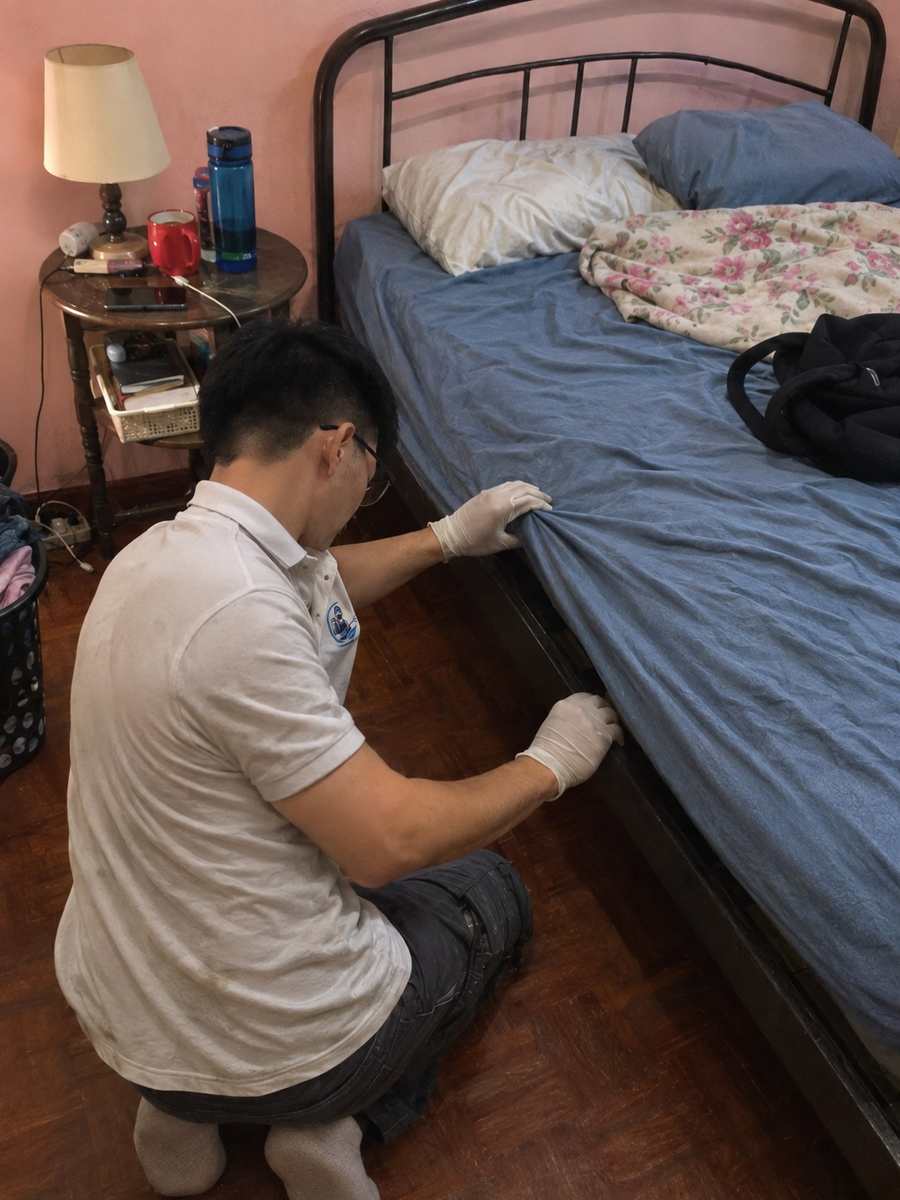
Bed bugs hide in mattress seams, headboards and nearby furniture, emerging at night to feed. Our team inspects the room carefully, then plans a treatment approach based on what we find.
Why Bed Bug Infestations Spread Indoors
Bed bugs are small, flat insects that feed on blood while people sleep. They do not fly or jump, but they move quickly across bedding, carpets and wooden joints. Once they settle into a room, they spread into neighbouring spaces through wall gaps, electrical conduits and shared plumbing lines.
In Malaysian homes, we see infestations start in master bedrooms, children’s rooms and guest rooms. Condominiums and apartments are particularly vulnerable because bed bugs travel between units. In commercial settings, hostels, budget hotels, rental rooms and staff quarters can carry hidden populations that go unnoticed until guests or tenants complain.
People usually ask for our help after waking up with rows of itchy bites, spotting dark marks on sheets, or returning from travel with luggage that may have picked up hitchhikers. Because bed bugs breed quickly and eggs are hard to see, early professional attention makes a real difference to how long treatment takes.
Common Signs of Bed Bugs and Their Bites
A few clues around the bed and nearby furniture can suggest bed bug activity, though only a close inspection can confirm it.
Blood spots on sheets
Small reddish smears on pillowcases or fitted sheets sometimes appear after a bed bug is crushed during sleep. These marks are often faint and easy to overlook.
Dark faecal spots on mattress seams
Tiny black or dark brown dots, similar to ink stains, can cluster along stitching, piping and folds of the mattress. This digested blood residue is a common indicator.
Shed skins in crevices
As bed bugs grow, they moult and leave behind pale, translucent shells. These tend to collect in bed frame joints, behind headboards and inside bedside drawer corners.
Live insects in hiding spots
Adult bed bugs are visible to the naked eye, about the size of an apple seed, and are reddish-brown. They tuck themselves into narrow gaps during the day and come out at night.
A sweet, musty odour
In rooms with a heavy infestation, a damp, slightly sweet scent can develop from the bugs’ scent glands. This smell is more noticeable in enclosed spaces with poor ventilation.
Bites alone are not proof
Skin reactions vary widely between people, and bites can resemble mosquito or flea marks. Relying on bites without finding physical evidence often leads to misdiagnosis.
- Some signs can be subtle, especially early on. If you spot any of these clues but are unsure, send us a WhatsApp message with clear photos and we will advise whether an on-site assessment is the next step.
What Our Bed Bug Control Service Covers
Every job begins with a thorough inspection, and the treatment plan is built around what we discover.
- 1
Room-by-room inspection
We check mattress seams, bed frames, headboards, skirting boards, curtain tracks, electrical sockets and nearby furniture. In commercial premises, we extend the inspection to adjacent rooms and common areas where bed bugs may have travelled.
- 2
Targeted treatment of hiding spots
Depending on what the inspection finds, options may include direct application to cracks, joints and upholstery seams. We focus on the areas where bed bugs rest and lay eggs, rather than treating surfaces unnecessarily.
- 3
Furniture and soft furnishing checks
Sofas, armchairs, luggage, stored clothing and children’s soft toys can all harbour bed bugs. We include these items in our inspection and treatment scope where they sit in or near affected rooms.
- 4
Preparation guidance for your specific job
We provide a clear list of steps to take before treatment day, such as laundry temperatures, bagging of items and decluttering. The instructions are written for the rooms we will be treating.
- 5
Follow-up visits and monitoring
Because bed bug eggs can survive initial treatment, repeat visits are often needed. We schedule follow-ups based on the severity found and use monitoring techniques to check for any remaining activity.
Why Follow-Up Visits Support Effective Bed Bug Control
Bed bug eggs are tiny, pale and often tucked deep inside seams or screw holes where treatment may not reach them directly. Eggs typically hatch within one to two weeks, depending on temperature and humidity. A single treatment can deal with live adults and nymphs, but newly hatched bugs can restart the infestation if follow-up visits are not scheduled.
During follow-up visits, we re-inspect the treated rooms and apply further treatment to any areas where fresh activity is found. The number of follow-ups depends on how heavy the original infestation was and how the bed bug population responds. We continue monitoring until we see no further signs.
Skipping follow-up visits is the most common reason bed bug problems drag on. We explain the schedule clearly after the initial assessment so you know what to expect and can plan around it.
Properties We Treat for Bed Bug Removal
Landed homes and terrace houses
Bedrooms on upper floors tend to be the starting point. We inspect all sleeping areas, guest rooms and adjoining spaces where bed bugs may have moved through wall gaps or along ducting.
Condominiums and apartments
Shared walls and utility risers make it easy for bed bugs to spread between units. We look beyond the main bedroom and check living room seating, store rooms and entryways for signs of migration.
Hostels, hotels and rental rooms
High guest turnover means bed bugs can arrive with luggage at any time. We work with operators to inspect multiple rooms quickly and plan treatment around booking schedules to minimise disruption.
Staff quarters and dormitories
Shared sleeping spaces with personal belongings stored close together need a systematic approach. We check each bed, locker area and common seating to map the extent of the infestation before treatment.
Our Bed Bug Inspection and Treatment Steps
- 1
Enquiry
You send us a WhatsApp message describing what you have noticed, along with photos if available. We ask a few questions about the affected rooms and any recent travel or second-hand furniture purchases.
- 2
Assessment
We visit the property to inspect sleeping areas, furniture and surrounding spaces. The assessment confirms whether bed bugs are present, how far they have spread and which rooms need treatment.
- 3
Quotation
Based on the inspection findings, we provide a quotation that reflects the number of rooms, the extent of the infestation and the likely number of follow-up visits. The quotation depends on what we see, not a fixed price.
- 4
Treatment
We carry out the treatment according to the agreed plan, focusing on cracks, seams, joints and other hiding spots. You will have received preparation instructions beforehand so the rooms are ready when our team arrives.
- 5
Follow-up
We return for scheduled follow-up visits to check for any surviving eggs that may have hatched. Monitoring continues until we are satisfied that bed bug activity has stopped.
The steps depend on the pest and the property. More on our process
What Determines a Bed Bug Treatment Quotation
The quotation depends on several factors that we can only assess after inspecting the property. Every infestation is different, so the quotation is based on what we find.
- Number of rooms affected
- Severity and spread of the infestation
- Type of furniture and storage in each room
- Accessibility of hiding spots such as wall voids and built-in joinery
- Property type and layout
- Number of follow-up visits likely needed
- Preparation requirements specific to the job
- Commercial scheduling constraints if applicable
Safety and Preparation Before Treatment
We take care to treat only the areas where bed bugs are found, keeping the application contained to cracks, seams and joints rather than open surfaces. Before treatment day, we provide you with specific preparation instructions for the rooms we will be working in. These typically cover laundry temperatures for bedding and clothing, bagging of loose items, and temporary clearing of floors and furniture tops so our team can reach the hiding spots.
Occupants and pets must stay out of the treated rooms during the application and for a period afterwards. We will tell you how long that period is for your specific job when we issue the preparation instructions. Fish tanks and pet enclosures in the affected rooms need particular attention, and we will advise on the steps to take.
Food preparation areas such as wet kitchens and pantries are treated differently from sleeping areas. If bed bugs have spread into these spaces, we adjust our approach and give you clear guidance on what to cover, remove or clean beforehand. Every set of instructions is written for the actual rooms and conditions we find during the assessment.
Bed Bug Treatment and Removal FAQs
Further reading
By industry
Can I get rid of bed bugs in one treatment?
Do I need to throw away my mattress?
How should I prepare my bedroom before treatment?
Can bed bugs spread to other rooms in my house?
I run a small hotel. How do you handle treatment without closing too many rooms?
What should I do with my luggage after travelling?
Bed Bug Treatment Area Coverage
Kuala Lumpur
Related Pest Control Services
Send Us a WhatsApp Message for a Bed Bug Treatment Quote
WhatsApp us to get a free quote. Describe what you are seeing and where the issue is happening.