Food Factory Pest Management Malaysia - Inspection and Targeted Pest Treatments
Food factories face pest pressure from incoming ingredients, warm production areas and stored finished goods. We help you keep those risks under control with inspections, treatments and documentation support.
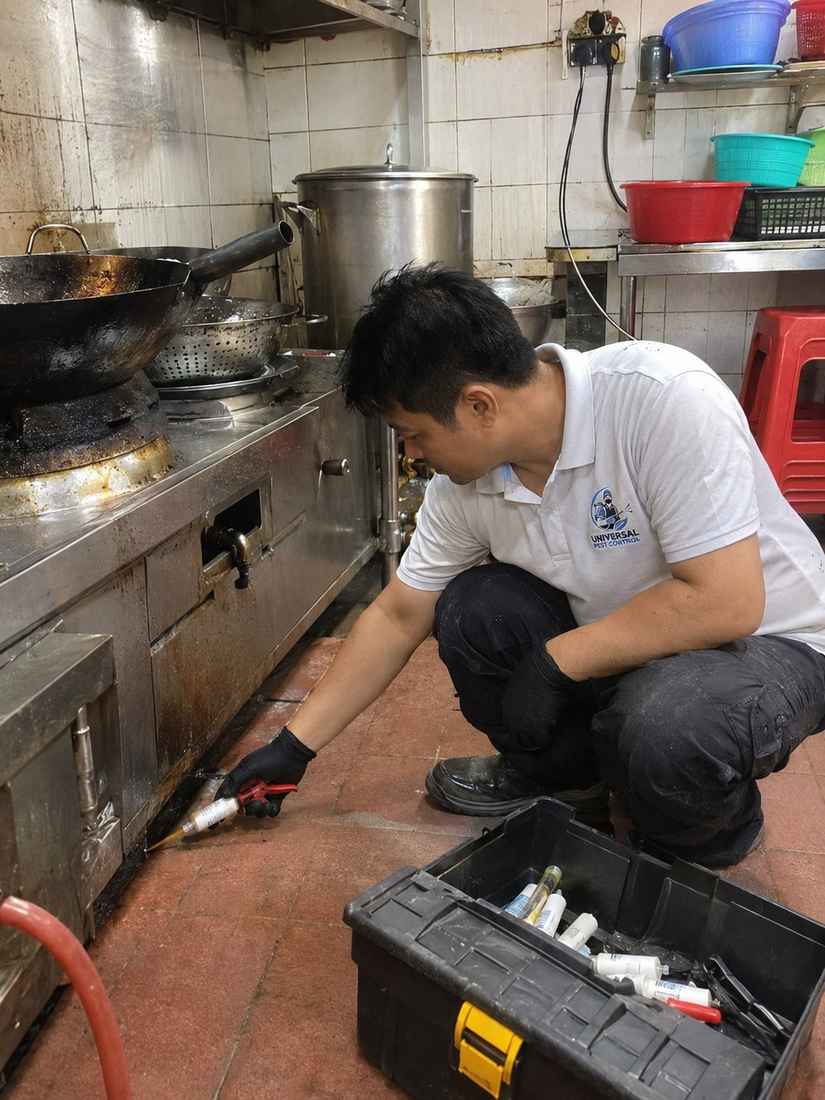
Common Pest Risks in Food Manufacturing
A food factory gives pests three things they need: food, warmth and shelter. Production areas hold ingredients, moisture and heat, while raw material stores and finished goods warehouses can sit undisturbed for long periods. Even a small spill behind a mixer or a torn bag of flour can support a hidden pest population.
The main concerns in Malaysian food factories are stored-product pests such as flour beetles, grain weevils and moths, along with flies, cockroaches and rodents. Stored-product pests breed inside raw materials and packaging, flies carry contamination onto food contact surfaces, and rodents damage stock, wiring and building fabric while leaving droppings and urine behind.
Business owners and managers usually contact us when they notice live insects near processing lines, find damaged packaging, see droppings in stores, or need to prepare for an audit. Some also reach out after a customer complaint or a failed internal hygiene check. By then the pest activity may be more widespread than it looks, so we start with a careful inspection of the whole site.
Signs Your Food Factory May Have a Pest Problem
The following signs can point to pest activity in a food factory, and an inspection helps confirm what is happening.
Damaged raw material bags
Small holes, tears or gnawed corners on sacks of flour, grain, sugar or spices may suggest stored-product pests or rodents.
Live insects near processing lines
Beetles, moths or flies seen around mixers, conveyors, sieves or packing tables can indicate a breeding site nearby.
Droppings in stores and corners
Rodent droppings along walls, behind pallets or under racking are a common sign of rats or mice moving through the facility.
Webbing or clumped product
Silk webbing inside packaging or product that sticks together in lumps can suggest moth or beetle activity in stored materials.
Fly activity around drains
Persistent flies near floor drains, wash areas or waste bins may point to breeding in organic residue inside the drainage system.
Grease marks or gnawing
Dark smudge marks along walls and gnawed cables, wood or plastic can indicate regular rodent movement through the building.
- These signs may suggest a pest issue, but they do not always tell you which pest or where it is breeding. An on-site assessment helps confirm the source and the extent of activity before any treatment is planned.
What Commercial Pest Control for Food Factories Covers
Depending on what the inspection finds, our work in a food factory may include the following.
- 1
Production area inspections
We check processing zones, food contact surfaces, equipment bases and floor-wall junctions for pest activity and entry points. The findings guide the treatment plan.
- 2
Raw material store checks
We inspect incoming ingredients, pallets and storage racks for stored-product pests. This helps catch infested stock before it moves into production.
- 3
Rodent monitoring
Monitoring points may be placed at key locations around the site perimeter, stores and production areas. Regular checks record activity and help track rodent pressure over time.
- 4
Fly management support
We look at drains, waste areas and entry points that support fly breeding. Treatment options depend on the species and where the flies are coming from.
- 5
Documentation for audits
We provide written records of inspections, findings and treatments carried out. These records can support your internal hygiene and pest management documentation.
Pests We Commonly Handle in Food Factories
Food factories can face several pest species at once. Stored-product pests such as flour beetles, grain weevils and warehouse moths breed inside raw materials and finished stock. Flies, especially drain flies and house flies, thrive around wet areas and organic waste. Cockroaches hide in warm equipment housings and drains, while rats and mice move along walls, ceilings and service ducts.
Each pest has its own habits and breeding sites, so the approach differs. We have dedicated pages for individual pests, and we can link you to the relevant ones after we understand what you are dealing with. If you are unsure which pest is present, send us clear photos on WhatsApp and we will help identify the likely species before the assessment.
Food Production Premises We Service
Bakeries and confectionery plants
Flour, sugar and finished baked goods attract stored-product pests and rodents. We focus on ingredient stores, mixing rooms, proofing areas and packaging lines.
Sauce, paste and beverage factories
Wet processing areas and sugary residues draw flies and cockroaches. We pay close attention to drains, pipework, tank bases and wash-down zones.
Snack and dry food factories
Dry ingredients, oils and seasoning dust support beetles, moths and rodents. We check raw material intake, seasoning rooms, fryer areas and finished goods storage.
Central kitchens and food processing units
High volumes of food preparation create waste, moisture and heat. We look at cold rooms, dry stores, cooking areas and waste holding points.
Our Food Factory Pest Management Process
- 1
Enquiry
Send us a WhatsApp message describing your food factory and the pest issue you are seeing. Photos of the affected areas or pests help us understand the situation.
- 2
Assessment
We visit the site to inspect production areas, stores, drains, waste points and the building perimeter. The assessment helps identify pest species, activity levels and entry routes.
- 3
Quotation
We prepare a quotation based on the size of the facility, the pests involved and the level of monitoring or treatment needed. You can review it before deciding.
- 4
Treatment
We carry out the agreed work in stages that suit your production schedule. Methods depend on the pest, the area and the level of activity found during the assessment.
- 5
Follow-up
We return for follow-up checks and monitoring. Written records from each visit help you track pest activity and support your audit documentation.
The steps depend on the pest and the property. More on our process
What Affects Your Pest Management Quotation
Every food factory is different, so the quotation depends on the layout, the pest pressure and the level of service you need.
- Total floor area of the factory
- Number of production and storage zones
- Types of pests present
- Severity of pest activity
- Number of monitoring points required
- Frequency of service visits
- Complexity of access to equipment and drains
- Documentation and reporting needs
Safety Around Food, Staff and Visitors
Food factories need a careful approach because treatments happen near ingredients, food contact surfaces and busy production staff. Before any work begins, we assess the area and plan the treatment around your production schedule. We will tell you which areas to clear, cover or keep staff away from during the visit.
For areas where food is openly handled, we discuss the options with you first. The method chosen depends on the pest, the location and what the assessment finds. We give you preparation instructions for each specific job so your team knows what to do before we arrive.
Pets are not normally present in food factories, but if you have guard dogs on site, we will ask you to keep them away from the treatment areas during the visit. We also ask that you inform us of any staff with known sensitivities, and we will adjust the plan where possible.
Food Factory Pest Management FAQs
How often should a food factory be inspected for pests?
Can you work around our production hours?
What should we do if we find pests in incoming raw materials?
Do you provide records for food safety audits?
Which pests are most common in Malaysian food factories?
How do we know if we have a stored-product pest problem?
Related Pest Control Services for Food Businesses
Get Your Food Factory Pest Management Quote via WhatsApp
WhatsApp us to get a free quote. Send us a WhatsApp message with a few details about your premises.