
Office Pest Control Malaysia - Pest Management for Offices & Pantries
An office is a shared space where a small pest problem can quickly affect staff comfort and your reputation. We work with building management and your operations team to handle infestations quietly and effectively.
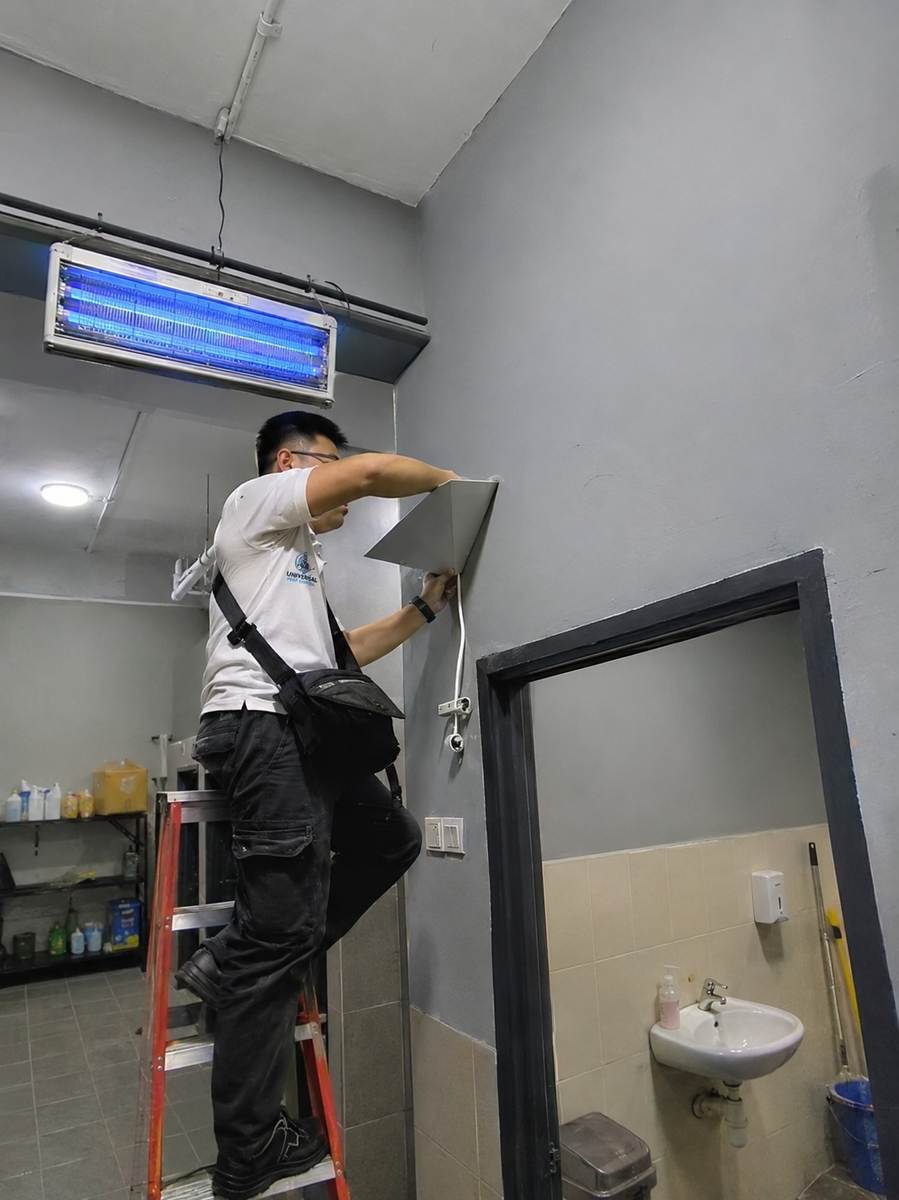
Office Pest Problems in Malaysia
Offices in Malaysia present a particular set of pest pressures. Pantries and break rooms accumulate crumbs, spills and food waste that attract cockroaches and ants. Ceiling voids and risers offer undisturbed routes for rodents, while warm, enclosed server rooms can become harbourage for insects that seek shelter during wet weather.
For a business owner or office manager, the concern goes beyond property damage. Staff may feel uneasy using a pantry where droppings have been spotted, and clients visiting a meeting room will notice a cockroach scurrying across the floor. Unaddressed pest activity can lead to complaints, absenteeism and a quiet loss of confidence in the workplace.
Most offices reach out to us when routine cleaning no longer keeps pests at bay. They may have noticed grease marks along skirting boards, heard scratching above the ceiling, or found ant trails leading to a shared snack drawer. Often the issue has been simmering for weeks before it becomes visible, and by then a more structured approach is needed.
Signs of Pest Activity in Offices
These are some of the indicators that can point to a pest presence in an office setting, though an inspection is needed to confirm the species and the scale of the activity.
Droppings in pantries or under sinks
Small dark pellets in cupboards, behind the water dispenser or along the edges of a wet pantry floor often suggest rodents or cockroaches.
Grease marks and rub marks
Dark smudges along walls, pipes or ceiling panels can indicate regular rodent pathways where body oils have built up over time.
Gnawed packaging or wiring
Rodents may chew through snack packets in a drawer or damage cable insulation inside ceiling risers, which can become a safety concern.
Ant trails in shared kitchens
A steady line of ants moving between a window frame and the sugar jar or coffee station often means a colony has established itself nearby.
Musty or ammonia-like odours
A persistent stale smell in a storeroom or enclosed filing area can be linked to cockroach activity or rodent urine, especially in poorly ventilated corners.
Scratching or scurrying sounds
Noises above the ceiling tiles or inside partition walls, particularly in the early morning or late evening, may be rodents moving between nesting and feeding sites.
- These signs can overlap between different pests, and some may only become obvious once the population has grown. A physical assessment of the premises helps identify what is actually present and where the entry points are.
What Commercial Pest Control Covers
Every office is laid out differently, so the specific actions depend on what the inspection uncovers, but the visit will typically address the following areas.
- 1
Pantry and break room checks
We look behind appliances, inside cupboards and under sinks where food debris and moisture collect. Treatment options are chosen to suit areas where food is handled and stored.
- 2
Ceiling void and riser inspection
Rodents often travel above the ceiling and through service risers. We check for entry gaps, droppings and gnawed materials, then discuss containment measures with your facilities team.
- 3
Workstation and common area monitoring
Desk areas, meeting rooms and lounge corners are checked for ant trails, cockroach casings and hidden activity behind furniture. Monitoring points may be placed in low-traffic zones.
- 4
Waste holding and bin store review
Rubbish collection points inside and directly outside the office can be a magnet for pests. We advise on bin placement, lid seals and cleaning frequency to reduce attraction.
- 5
Coordination with building management
Where the office sits within a larger commercial building, we coordinate with the management team on shared spaces such as refuse chambers, loading bays and common corridors that may be contributing to the issue.
Working Around Your Office Schedule
We understand that pest control is rarely something an office wants to deal with during working hours. Treatment visits can be arranged for early mornings, late evenings or weekends so that your team arrives to a clean, undisturbed workspace. For offices that operate shifts or run 24-hour operations, we find windows that align with the quietest periods.
Discretion is part of that scheduling. Our team arrives in unmarked vehicles and carries equipment in plain cases. The focus is on doing the job quietly without drawing attention. If your office is client-facing, we can use a secondary entrance or service lift where available, and the visit can be logged with building management as routine maintenance rather than pest control if you prefer.
Common Office Pests We Manage
Different pests require different approaches, and we have dedicated pages that cover each one in detail. Cockroaches tend to settle near warmth and moisture, often inside pantry cabinets and behind dishwashers. Ants follow food trails across workstations and into shared snack areas. Rodents use ceiling voids and risers as highways between food sources, leaving droppings and gnawed materials along their routes. Flies can become a nuisance in offices near bin stores or food courts. Occasional invaders like lizards may also appear in storerooms and behind wall-mounted fixtures. You can read more about each pest on its own page, and during the assessment we will confirm which species is causing the problem in your office.
Office Settings We Provide Pest Management For
Corporate office suites
Multi-room suites with central pantries and meeting spaces, where staff comfort and client-facing areas need discreet attention. Scheduling can be arranged before or after business hours.
Co-working spaces and serviced offices
Shared kitchens and hot-desking areas create high-traffic food zones. We work around the operator's timetable so that treatment does not interrupt members during peak hours.
Shophouse offices
Older shophouse units with open ceilings, rear wet kitchens and adjoining drains can face different pressures from ground-level pests. Access to roof spaces and back lanes is often part of the inspection.
Office floors within mixed-use buildings
A single floor inside a larger tower shares risers and refuse systems with other tenants. We coordinate with building management to trace pest movement that may originate from other levels.
Our Office Pest Control Process
- 1
Enquiry
You send us a WhatsApp message describing what you have noticed and the type of office space. Photos of pest activity or affected areas help us prepare for the first visit.
- 2
Assessment
We walk through the office with your facilities contact, checking pantries, ceilings, risers, storerooms and waste areas. The goal is to map the pest activity and the conditions supporting it.
- 3
Quotation
Based on the size of the office, the pests identified and the recommended approach, we provide a written quotation. The cost depends on the scope of work and the number of visits likely to be needed.
- 4
Treatment
Visits are scheduled at times that suit your operations, including after office hours or on weekends. The methods used depend on the pest and the location, with extra care taken in pantries and food areas.
- 5
Follow-up
We return to check monitoring points, refresh treatment where necessary and adjust the approach based on what has changed. Regular observation helps catch new activity before it spreads.
The steps depend on the pest and the property. More on our process
Factors That Affect Office Pest Control Quotations
Each office is assessed individually, and the quotation reflects the specific conditions found during the inspection.
- Total floor area and number of rooms
- Number of pantries, wet kitchens and washrooms
- Type of pests present and the extent of the infestation
- Access to ceiling voids, risers and service corridors
- Frequency of visits required to bring activity under control
- Need for coordination with building management on shared areas
- Presence of sensitive equipment or areas needing special care
- Scheduling requirements such as after-hours or weekend visits
Safety During Pest Management in Occupied Offices
An office remains a working environment throughout the treatment period, so we plan each step with the people in the building in mind. Before any visit, we discuss with your office manager which areas will be attended to and whether any sections should be temporarily vacated. This is arranged around your team's schedule so that disruption to daily work is kept to a minimum.
Pantries and break rooms are treated with particular care because food and utensils are present. Depending on what the inspection finds, options may include methods that target cracks and crevices rather than open surfaces. We provide clear preparation instructions ahead of each visit, covering items such as clearing countertops, storing food in sealed containers and removing personal belongings from treatment zones.
The instructions given are specific to the job and the areas being treated. We ask that pets, if any are brought into the office, are kept away from treated areas for the period advised. Staff are informed of any temporary access restrictions through the office manager, so everyone knows which rooms to avoid and for how long.
Office Pest Control FAQs
Can treatment be done after office hours?
Do we need to inform building management?
How do you handle pantries and food areas?
Will staff need to leave the office during treatment?
How many visits will the office need?
What should we do before the first visit?
Related Pest Control Services
Get an Office Pest Control Quote on WhatsApp
WhatsApp us to get a free quote. Tell us what you have noticed in your office and send us a WhatsApp message.